
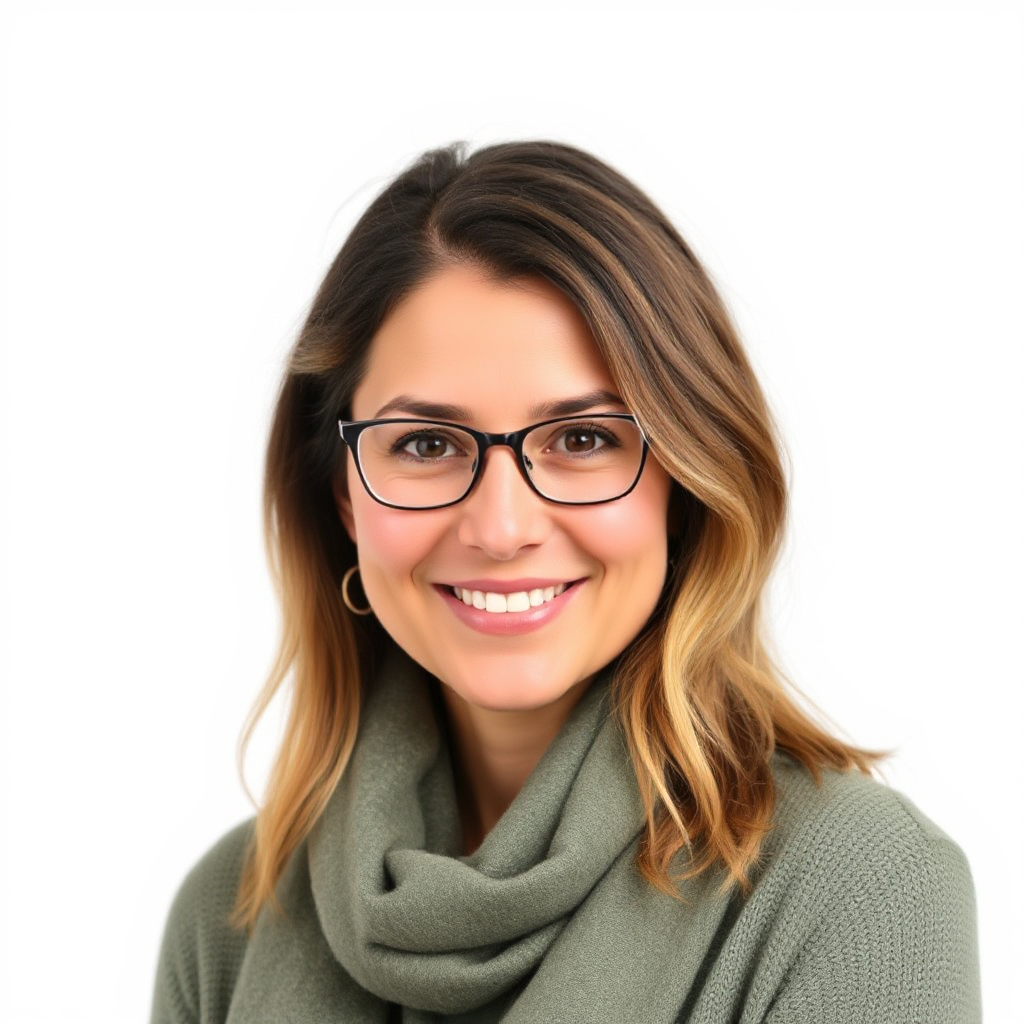
On occasion, a nurse named Lorna is met with a sudden dial tone. Commonly, she has to listen to some rather bizarre misinformation and, on one occasion, she recalls being verbally abused.
"You will inevitably encounter individuals like those, who refuse to listen, and it feels like a failure."
Yet, this comprises the day job for Lorna. Her role involves calling parents whose children have missed out on measles, mumps and rubella (MMR) vaccinations in an effort to convince them to become vaccinated. Low vaccination rates mean the infection has taken hold in the city, predominantly in children below the age of ten.
A Forward-Looking Approach
This is not Lorna's first time - she was a member of a group of public health employees that made 13,000 calls in just three months after a spike in measles reports in late 2023 involved many pediatric cases. Just these phone calls led approximately one thousand once reluctant guardians and adolescents to accept the opportunity vaccination.
In north London, which is in the midst of a measles surge, officials are looking to places like Birmingham for approaches to manage the situation. Fifty cases have been reported up to now, mostly in young children, some of whom have been required inpatient care.
Mobilizing Experience
During Birmingham's 2023 outbreak, some former doctors and nurses were returned to service, as occurred previously. In this instance, though, as opposed to vaccinating people, they were tasked with convincing people to receive them.
Their mission involved placing follow-up calls to parents and patients in the under-25 bracket to discuss what was stopping them obtaining the jab against a disease that can have grave complications - encompassing brain inflammation and vision impairment and, infrequently, death.
Now, Lorna, the clinical lead for immunization services, and a group of nurse specialists have been enlisted to restart the phone campaign as infections are increasing again.
Navigating Difficult Conversations
The job is far from simple. A particular technique is needed which involves attentive listening and trying to understand the individual on the line.
"When I understand where they're coming from, I can then respond to their concerns," says Lorna. "Occasionally they are receptive, and often they declare they are finished talking."
"It's not about being an authoritarian figure."
When individuals are willing to keep discussing, Lorna feels she can then address their apprehensions or doubts about the vaccine and help diminish them.
Guidelines and Assistance
A policy limits calls to three attempts. Another rule avoids leaving voicemails to prevent misunderstanding. Staff members fluent in a range of tongues, such as French, Italian, Arabic, and Urdu, can assist in outreach when the primary language isn't English.
Complementing the telephone campaign, the coordinated response unit simultaneously operates an advertising campaign and connects to local community groups.
Tangible Results
The citywide effort has had a noticeable influence. During 2024, a supplementary seven thousand jabs were completed – and the overall vaccination count was one-fifth more than the year before.
In particular, there had been lower vaccine uptake among specific communities, such as Roma, Eastern European, South Asian, and Black communities.
Communication obstacles were tackled by expanding the resources available in various tongues, utilizing QR code technology that lead to explanatory videos detailing the advantages, paired with standard public signage.
GP Practices Innovate
Several general practitioner practices have also begun undertaking their own outreach initiatives. This includes practices like Hall Green Health, which has gone further by providing doctor consultations to concerned parents so they can discuss their concerns in person with a GP.
"In my view, society has become lax about the true severity of measles," says partner Dr Sonia Ashraf.
She says there are several elements that cause hesitancy. The inclusion of porcine gelatine in MMR is one thing they see, but this is relatively easily resolved by offering the version of the jab that is gelatine-free.
Long-refuted data from the 1990s wrongly connecting the vaccine to autism also often arises, while many families are anxious about the volume of recommended jabs given to youngsters. During the preschool years, they will have been offered immunization on half a dozen occasions.
"Many families ask why children need so many or think that their children are healthy enough such illnesses," continues Dr. Ashraf. "We carefully explain the scientific data with them – there is a lot of misinformation out there."
Budgetary Limits and What's Next
The telephone outreach program has since been extended to additional clinics. However, due to limited funding, it is something that can only be done to a restricted degree. In 2025, uptake figures fell once more to earlier, lower levels, leaving the city significantly under the 95% threshold needed for community protection.
But while there have been spikes in infection, there has been nowhere near the scale of cases that were seen previously, when diagnoses surpassed five hundred.
A public health lead, says the proactive calling strategy "is really effective" but "not a silver bullet" and needs to be paired with additional measures. In an ideal scenario, he notes it would be used more but additional funding is required.
Current funding for the calling system is scheduled until late March.
A National Picture
This strategy isn't unique to implement this method. Several other locations have experimented with comparable approaches.
However, improving rates countrywide has proved difficult. Currently, fewer than 85% of children have had both required shots by the age of five.
"This is a genuine difficulty," notes a specialist. "The factors behind non-vaccination are multifaceted and varied. One thing that often gets overlooked is ease of access. For


